-
Articles/Ads
Article EXCESSIVE LEGISLATION. Page 1 of 1 Article EXCESSIVE LEGISLATION. Page 1 of 1 Article SECTARIAN RITUALISM IN MASONRY. Page 1 of 2 →
Note: This text has been automatically extracted via Optical Character Recognition (OCR) software.
Excessive Legislation.
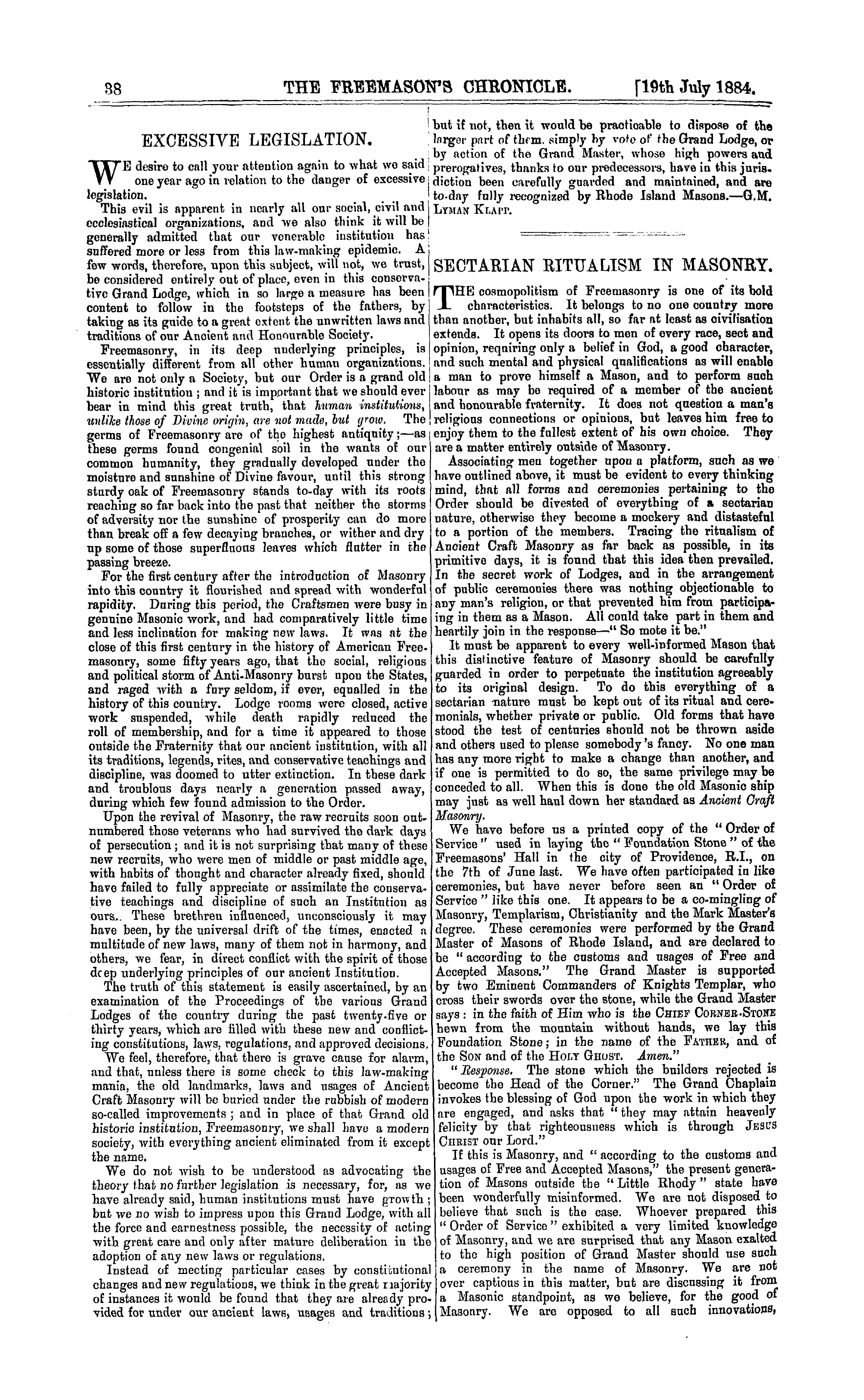
EXCESSIVE LEGISLATION .
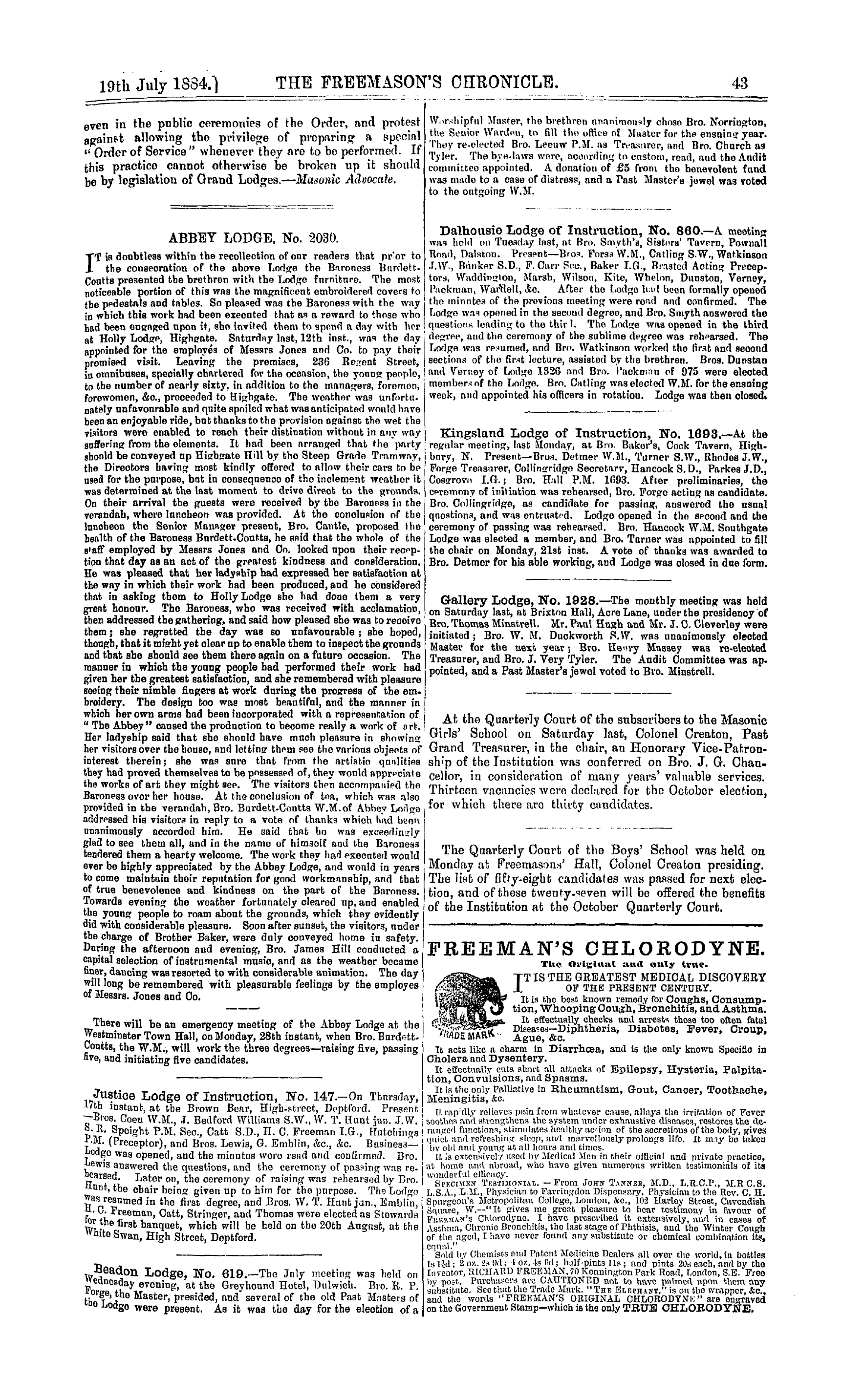
WE desire to call yonr attention again to what wo said one year ago in relation to the danger of excessive legislation . This evil is apparent in nearly all our social , civil and ecclesiastical organizations , and we also think it will be generally admitted that our venerable institution has
suffered more or less from this law-making epidemic . A few words , therefore , upon this subject , will nofc , we trust , be considered entirely out of place , even in this
conservative Grand Lodge , wbich in so large a measure has been content to follow in the footsteps of the fathers , by taking as its guide to a great extent the unwritten laws and traditions of our Ancient and Honourable Society .
Freemasonry , in its deep underlying principles , is essentially different from all other human organizations . "We are not only a Society , bufc our Order is a grand old historic institution ; and it is important that we should ever bear in mind this great truth , that human institutions ,
unlike those of Divine origin , are not made , but c jroiv . The germs of Freemasonry are of the highest antiquity;—as these germs found congenial soil in the wants of our common humanity , they gradually developed under the moisture and sunshine of Divine favour , until this strong
sturdy oak of Freemasonry stands to-day with its roots reaching so far back into the past that neither tho storms of adversity nor the sunshine of prosperity can do more than break off a few decaying branches , or wither and dry np some of those superfluous leaves whicb flutter in the passing breeze .
For the first century after the introduction of Masonry into thia country it flourished and spread with wonderful rapidity . During this period , the Craftsmen were busy in genuine Masonic work , and had comparatively little time and less inclination for making new laws . It was afc the
close of this first centnry in the history of American Freemasonry , some fifty years ago , that the social , religious and political storm of Anti-Masonry burst upon the States , and raged with a fury seldom , if ever , equalled in the history of this country . Lodge rooms were closed , active
work suspended , while death rapidly reduced the roll of membership , and for a time it appeared to those outside the Fraternity that our ancient institution , with all
its traditions , legends , rites , and conservative teachings and discipline , was doomed to utter extinction . In these dark and troublous days nearly a generation passed away , during which few found admission to the Order ,
Upon the revival of Masonry , the raw recruits soon outnumbered those veterans who had survived the dark days of persecution ; and ifc is not surprising that many of these new recruits , who were men of middle or past middle age , with habits of thonght and character already fixed , should
have failed to fully appreciate or assimilate the conservative teachings and discipline of such an Institution as ours ... These brethren influenced , unconsciously ifc may
have been , by the universal drift of the times , enacted a multitude of new laws , many of them not in harmony , and others , we fear , in direct conflict with the spirit of those deep underlying principles of our ancient Institution .
The truth of this statement is easily ascertained , by an examination of the Proceedings of the various Grand Lodges of the country during the pasfc twenty . five or thirty years , which are filled with these new and conflicting constitutions , laws , regulations , and approved decisions ,
We feel , therefore , that there is grave cause for alarm , and that , unless there is some check to this law-making mania , the old landmarks , laws and usages of Ancient Craffc Masonry will be buried under the rubbish of modern
so-called improvements ; and in place of thafc Grand old historic institution , Freemasonry , we shall have a modern society , with everything ancient eliminated from it except the name .
We do nofc wish to be understood as advocating the theory that no further legislation is necessary , for , as we have already said , human institutions must have growth ;
bnt we no wish to impress upon this Grand Lodge , with all the force and earnestness possible , the necessity of acting with great care ancl only after mature deliberation in tbe adoption of any new laws or regulations .
Instead of meeting particular cases by constitutional changes and new regulations , we think in the great riajority of instances it wonld be found that they are already provided for under our ancient laws , usages and traditions * ,
Excessive Legislation.
but if not , then it would be practicable to dispose of the larger part of thrxn . simp ' y by vote of the Grand Lodge , or by action of the Grand Master , whose high powers aud prerogatives , thanks to our predecessors , bave in this jurisdiction been carefully guarded and maintained , and are to-day fnlly recognized by Rhode Island Masons . —G . M . LYMAN KLAPP .
Sectarian Ritualism In Masonry.
SECTARIAN RITUALISM IN MASONRY .
THE cosmopolitism of Freemasonry is one of its bold characteristics . It belongs to no one country more than another , but inhabits all , so far at least as civilisation extends . It opens its doors to men of every race , sect and opinion , requiring only a belief in God , a good character , and such mental and physical qualifications as will enable
a man to prove himself a Mason , and to perform such labour as may be required of a member of the ancient and honourable fraternity . It does not question a man ' s religious connections or opinions , but leaves him free to enjoy them to the fullest extent of his own choice . They are a matter entirely outside of Masonry .
Associating men together npon a platform , such as we have outlined above , it must be evident to every thinking mind , that all forms and ceremonies pertaining to the Order should be divested of everything of a sectarian nature , otherwise they become a mockery and distasteful
to a portion of the members . Tracing the ritualism of Ancient Craffc Masonry as far back as possible , in its primitive days , it is found that this idea then prevailed . In tbe secret work of Lodges , and in the arrangement
of public ceremonies there was nothing objectionable to any man ' s religion , or that prevented him from parfcicipaing in them as a Mason . All could take part in them and heartily join in the response— " So mote it be . "
It must be apparent to every well-informed Mason that this distinctive feature of Masonry should be carefully guarded in order to perpetuate the institution agreeably
to its original design . To do this everything of a sectarian nature must be kept out of its ritual and ceremonials , whether private or public . Old forms that have stood the test of centuries should not be thrown aside
and others used to please somebody ' s fancy . No one man has any more right to make a change than another , and if one is permitted to do so , the same privilege may be conceded to all . When this is done the old Masonic ship may just as well haul down her standard as Ancient Graft Masonry .
We have before us a printed copy of the " Order of Service " used in laying the " Foundation Stone " of the Freemasons' Hall in the city of Providence , R . I ., on the 7 th of June last . We have often participated in like ceremonies , but have never before seen an " Order of
Service " like this one . It appears to be a co-mingling of Masonry , Templarism , Christianity and tbe Mark Master ' s degree . These ceremonies were performed by the Grand Master of Masons of Rhode Island , and are declared to be " according to the customs and usages of Free and
Accepted Masons . " The Grand Master is supported by two Eminent Commanders of Knights Templar , who cross their swords over the stone , while the Grand Master
says : in the faith of Him who is the CHIEF CORNER -S TONE hewn from the mountain without hands , we lay this Foundation Stone ; in the name of the FATHER , and of the SON and of the HOLT GHOST . Amen . "
" Response . The stone which the builders rejected is become the Head of the Corner . " The Grand Chaplain invokes the blessing of God upon the work in which tbey are engaged , and asks that " they may attain heavenly felicity by that righteousness which is throngh JE 8 L S CHRIST our Lord . "
If this is Masonry , and " according to the customs and usages of Free and Accepted Masons , " the present generation of Masons outside the " Little Rhody " state have been wonderfully misinformed . We are not disposed to believe that such is the case . Whoever prepared this
" Order of Service " exhibited a very limited knowledge of Masonry , and we are surprised that any Mason exalted to the high position of Grand Master should use such
a ceremony in the name of Masonry . We are not over captious in this matter , but are discussing it from a Masonic standpoint , as we believe , for the good of Masonry . We are opposed to all such innovations ,






Note: This text has been automatically extracted via Optical Character Recognition (OCR) software.
Excessive Legislation.
EXCESSIVE LEGISLATION .
WE desire to call yonr attention again to what wo said one year ago in relation to the danger of excessive legislation . This evil is apparent in nearly all our social , civil and ecclesiastical organizations , and we also think it will be generally admitted that our venerable institution has
suffered more or less from this law-making epidemic . A few words , therefore , upon this subject , will nofc , we trust , be considered entirely out of place , even in this
conservative Grand Lodge , wbich in so large a measure has been content to follow in the footsteps of the fathers , by taking as its guide to a great extent the unwritten laws and traditions of our Ancient and Honourable Society .
Freemasonry , in its deep underlying principles , is essentially different from all other human organizations . "We are not only a Society , bufc our Order is a grand old historic institution ; and it is important that we should ever bear in mind this great truth , that human institutions ,
unlike those of Divine origin , are not made , but c jroiv . The germs of Freemasonry are of the highest antiquity;—as these germs found congenial soil in the wants of our common humanity , they gradually developed under the moisture and sunshine of Divine favour , until this strong
sturdy oak of Freemasonry stands to-day with its roots reaching so far back into the past that neither tho storms of adversity nor the sunshine of prosperity can do more than break off a few decaying branches , or wither and dry np some of those superfluous leaves whicb flutter in the passing breeze .
For the first century after the introduction of Masonry into thia country it flourished and spread with wonderful rapidity . During this period , the Craftsmen were busy in genuine Masonic work , and had comparatively little time and less inclination for making new laws . It was afc the
close of this first centnry in the history of American Freemasonry , some fifty years ago , that the social , religious and political storm of Anti-Masonry burst upon the States , and raged with a fury seldom , if ever , equalled in the history of this country . Lodge rooms were closed , active
work suspended , while death rapidly reduced the roll of membership , and for a time it appeared to those outside the Fraternity that our ancient institution , with all
its traditions , legends , rites , and conservative teachings and discipline , was doomed to utter extinction . In these dark and troublous days nearly a generation passed away , during which few found admission to the Order ,
Upon the revival of Masonry , the raw recruits soon outnumbered those veterans who had survived the dark days of persecution ; and ifc is not surprising that many of these new recruits , who were men of middle or past middle age , with habits of thonght and character already fixed , should
have failed to fully appreciate or assimilate the conservative teachings and discipline of such an Institution as ours ... These brethren influenced , unconsciously ifc may
have been , by the universal drift of the times , enacted a multitude of new laws , many of them not in harmony , and others , we fear , in direct conflict with the spirit of those deep underlying principles of our ancient Institution .
The truth of this statement is easily ascertained , by an examination of the Proceedings of the various Grand Lodges of the country during the pasfc twenty . five or thirty years , which are filled with these new and conflicting constitutions , laws , regulations , and approved decisions ,
We feel , therefore , that there is grave cause for alarm , and that , unless there is some check to this law-making mania , the old landmarks , laws and usages of Ancient Craffc Masonry will be buried under the rubbish of modern
so-called improvements ; and in place of thafc Grand old historic institution , Freemasonry , we shall have a modern society , with everything ancient eliminated from it except the name .
We do nofc wish to be understood as advocating the theory that no further legislation is necessary , for , as we have already said , human institutions must have growth ;
bnt we no wish to impress upon this Grand Lodge , with all the force and earnestness possible , the necessity of acting with great care ancl only after mature deliberation in tbe adoption of any new laws or regulations .
Instead of meeting particular cases by constitutional changes and new regulations , we think in the great riajority of instances it wonld be found that they are already provided for under our ancient laws , usages and traditions * ,
Excessive Legislation.
but if not , then it would be practicable to dispose of the larger part of thrxn . simp ' y by vote of the Grand Lodge , or by action of the Grand Master , whose high powers aud prerogatives , thanks to our predecessors , bave in this jurisdiction been carefully guarded and maintained , and are to-day fnlly recognized by Rhode Island Masons . —G . M . LYMAN KLAPP .
Sectarian Ritualism In Masonry.
SECTARIAN RITUALISM IN MASONRY .
THE cosmopolitism of Freemasonry is one of its bold characteristics . It belongs to no one country more than another , but inhabits all , so far at least as civilisation extends . It opens its doors to men of every race , sect and opinion , requiring only a belief in God , a good character , and such mental and physical qualifications as will enable
a man to prove himself a Mason , and to perform such labour as may be required of a member of the ancient and honourable fraternity . It does not question a man ' s religious connections or opinions , but leaves him free to enjoy them to the fullest extent of his own choice . They are a matter entirely outside of Masonry .
Associating men together npon a platform , such as we have outlined above , it must be evident to every thinking mind , that all forms and ceremonies pertaining to the Order should be divested of everything of a sectarian nature , otherwise they become a mockery and distasteful
to a portion of the members . Tracing the ritualism of Ancient Craffc Masonry as far back as possible , in its primitive days , it is found that this idea then prevailed . In tbe secret work of Lodges , and in the arrangement
of public ceremonies there was nothing objectionable to any man ' s religion , or that prevented him from parfcicipaing in them as a Mason . All could take part in them and heartily join in the response— " So mote it be . "
It must be apparent to every well-informed Mason that this distinctive feature of Masonry should be carefully guarded in order to perpetuate the institution agreeably
to its original design . To do this everything of a sectarian nature must be kept out of its ritual and ceremonials , whether private or public . Old forms that have stood the test of centuries should not be thrown aside
and others used to please somebody ' s fancy . No one man has any more right to make a change than another , and if one is permitted to do so , the same privilege may be conceded to all . When this is done the old Masonic ship may just as well haul down her standard as Ancient Graft Masonry .
We have before us a printed copy of the " Order of Service " used in laying the " Foundation Stone " of the Freemasons' Hall in the city of Providence , R . I ., on the 7 th of June last . We have often participated in like ceremonies , but have never before seen an " Order of
Service " like this one . It appears to be a co-mingling of Masonry , Templarism , Christianity and tbe Mark Master ' s degree . These ceremonies were performed by the Grand Master of Masons of Rhode Island , and are declared to be " according to the customs and usages of Free and
Accepted Masons . " The Grand Master is supported by two Eminent Commanders of Knights Templar , who cross their swords over the stone , while the Grand Master
says : in the faith of Him who is the CHIEF CORNER -S TONE hewn from the mountain without hands , we lay this Foundation Stone ; in the name of the FATHER , and of the SON and of the HOLT GHOST . Amen . "
" Response . The stone which the builders rejected is become the Head of the Corner . " The Grand Chaplain invokes the blessing of God upon the work in which tbey are engaged , and asks that " they may attain heavenly felicity by that righteousness which is throngh JE 8 L S CHRIST our Lord . "
If this is Masonry , and " according to the customs and usages of Free and Accepted Masons , " the present generation of Masons outside the " Little Rhody " state have been wonderfully misinformed . We are not disposed to believe that such is the case . Whoever prepared this
" Order of Service " exhibited a very limited knowledge of Masonry , and we are surprised that any Mason exalted to the high position of Grand Master should use such
a ceremony in the name of Masonry . We are not over captious in this matter , but are discussing it from a Masonic standpoint , as we believe , for the good of Masonry . We are opposed to all such innovations ,